
Textile Hub of India: Regions, Crafts & Cultural Experiences
India isn’t just a country that produces textiles; it lives and breathes them. From cotton fields and silk cocoons to looms humming in village courtyards, the textile heritage of India is deeply woven into everyday life. For centuries, India has been a global textile hub, supplying handwoven cotton, silks, dyes, and embroidery techniques that travelled the world long before modern trade routes existed.
Today, the textile hub of India is not one city or region, but a vast, interconnected landscape of skills, stories, and communities. For travellers, this presents a rare opportunity: to move beyond museums and marketplaces and instead experience textiles where they are made, alongside the artisans who sustain these living traditions.
At Breakaway, we believe textiles are best understood not through shelves and showrooms, but through places, people, and processes.
Understanding India’s Textile Ecosystem
A living textile landscape
The textile industry in India is uniquely decentralised. Unlike many global manufacturing systems concentrated in industrial zones, India’s textile regions are spread across the country, shaped by climate, raw materials, migration patterns, and patronage systems.
Each region developed its own textile language—woven, printed, dyed, embroidered—resulting in hundreds of distinct traditions. These textile clusters in India continue to thrive as artisan-led ecosystems, where skills are passed down through generations rather than formal institutions.
This diversity is what makes India one of the most complex and rewarding textile landscapes in the world, especially for travellers willing to slow down and explore.
Major Textile Hubs of India You Can Explore
- Gujarat: Craft and handloom hub
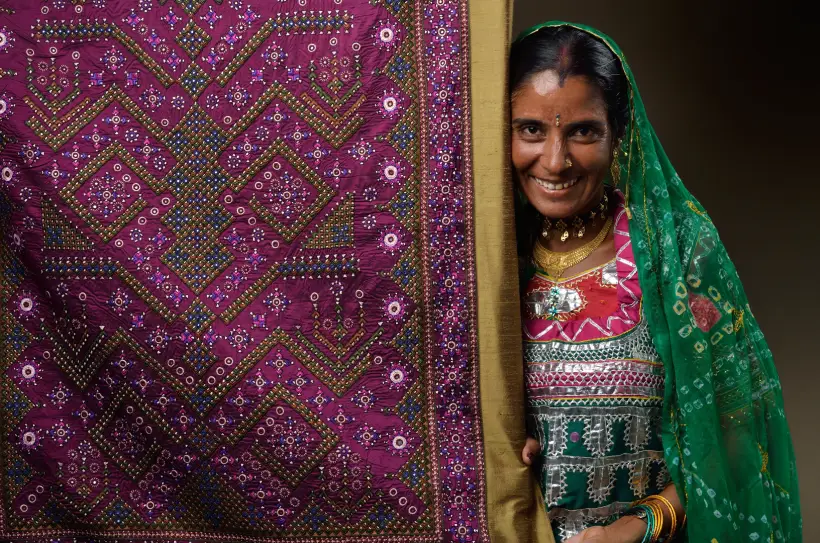
Gujarat is one of India’s most important textile hubs, known for its deep-rooted craft traditions and strong artisan networks. From the Ajrakh block printing of Kachchh to Patola double ikat silks of Patan, the state represents a living archive of textile crafts of India.
Artisan clusters across Kachchh and Saurashtra offer immersive experiences—mud homes doubling as workshops, natural dye vats under open skies, and looms that have barely changed in centuries. Here, textiles are inseparable from community identity.
- Rajasthan: Heritage and printing traditions
Rajasthan’s textile legacy is closely tied to royal patronage and desert ingenuity. The state is home to some of India’s most celebrated block printing regions, including Jaipur, Bagru, and Sanganer.
Techniques like dabu mud-resist printing, leheriya, and bandhani reflect both aesthetic beauty and environmental adaptation. Exploring Rajasthan’s traditional textiles offers travellers a chance to understand how colour, pattern, and process respond to geography and culture.
- Tamil Nadu: Weaving and silk centres
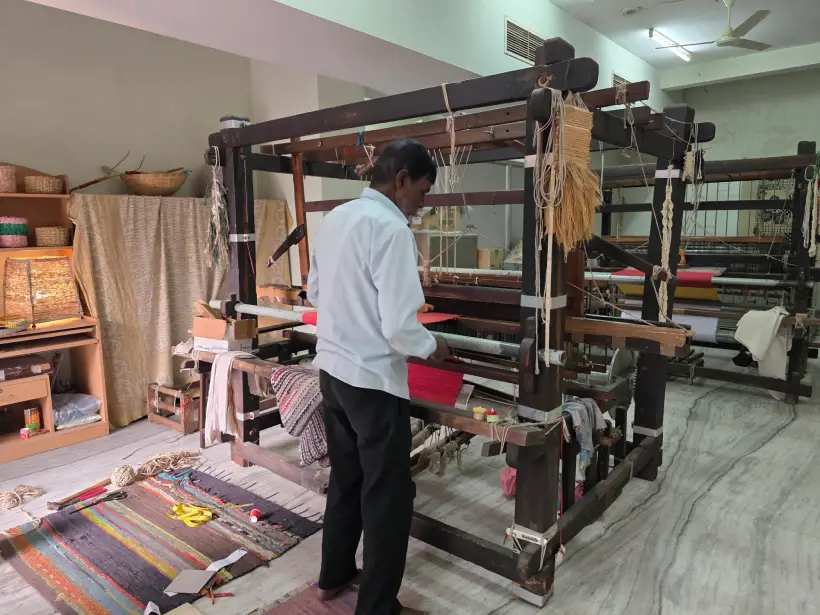
Tamil Nadu anchors the southern textile landscape, particularly through its legendary silk and cotton weaving traditions. Towns like Kanchipuram, Salem, and Erode are among the most significant handloom centres in India.
The region’s weaving traditions are marked by technical precision, temple-inspired motifs, and strong cooperative structures. Watching a Kanchipuram silk sari being woven, often over several weeks, is a powerful reminder of time-intensive craftsmanship in a fast-fashion world.
- West Bengal: Artistic Textile Traditions
West Bengal’s textile culture is poetic, political, and deeply artistic. From the Jamdhani muslins of Bengal to Baluchari saris depicting mythological scenes, these are among the most famous textiles of India.
Weaving communities here often work on pit looms inside their homes, blurring the line between domestic space and creative practice. Bengal’s heritage weaving traditions reflect storytelling as much as skill, each piece carrying narrative meaning.
- Maharashtra: Cotton and modern textile centres
Maharashtra bridges India’s historic cotton legacy with its modern textile industry. Cities like Mumbai, Solapur, and Ichalkaranji are major textile cities of India, known for cotton weaving, powerloom innovation, and contemporary textile production.
This region offers insight into how traditional techniques coexist with industrial systems—an important perspective for travellers interested in sourcing, sustainability, and the future of textiles.
Textile Hubs as Experiences, Not Just Destinations
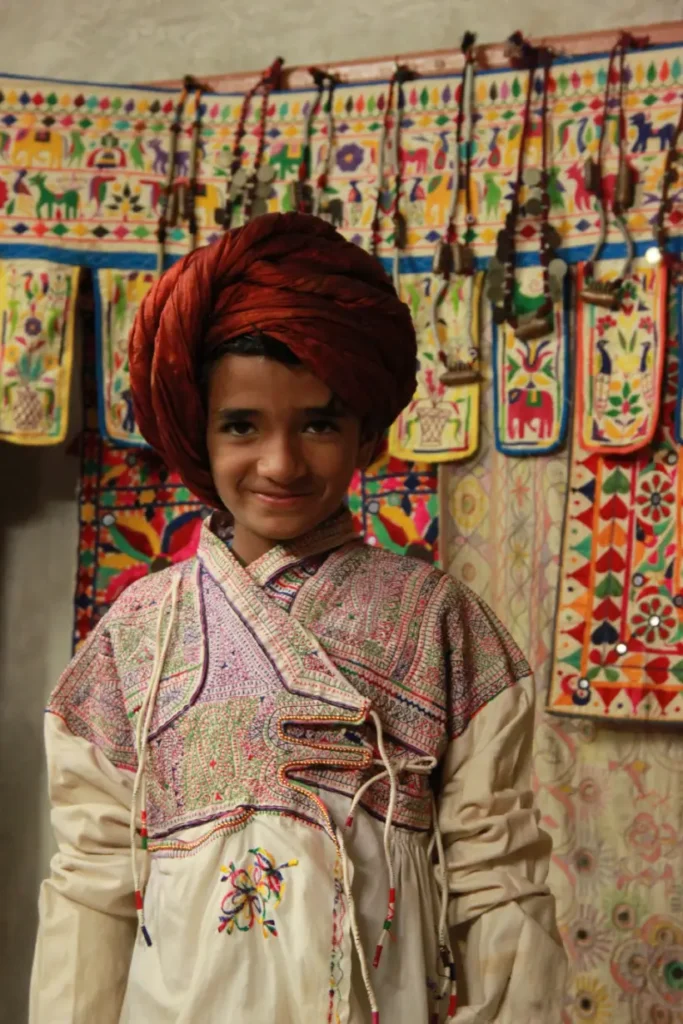
India’s textile hubs are not static places to observe; they are active environments to participate in. Across the country, travellers can engage in:
- Textile workshops in India led by master artisans
- Visits to artisan villages where entire communities practise a single craft
- Loom and weaving demonstrations within homes and cooperatives
- Natural dyeing sessions using regional plants and minerals
At Breakaway, we design journeys that turn textile exploration in India into a meaningful exchange, where learning flows both ways.
Breakaway Routes to Explore India’s Textile Hubs
Rather than isolated visits, Breakaway curates regional textile circuits that reveal the interconnected nature of craft traditions.
Each textile travel itinerary balances studio visits, cultural context, and time for reflection—designed for travellers who value depth over checklists.
Who Should Explore the Textile Hubs of India?
India’s textile regions attract a highly intentional traveller. These journeys are ideal for:
- Designers and students on textile study tours
- Brands and buyers on textile sourcing travel
- Academics and researchers pursuing fashion research travel
- Cultural travellers seeking meaningful craft exploration
By filtering for curiosity and respect, these experiences remain enriching for both visitors and artisans.
Best Way to Explore Textile Hubs in India
While independent travel offers flexibility, textile hubs often require local access, trust, and cultural mediation. Understanding how to explore textile hubs in India comes down to choosing between self-guided discovery and curated experiences.
Self-guided travel works for surface-level exposure. Curated journeys, especially guided textile tours, offer deeper access, ethical engagement, and context that transforms observation into understanding.
Breakaway specialises in the latter: small-group, slow, and story-driven.
FAQs: Addressing Real Traveler Pain Points
What is the best time to visit textile hubs in India?
October to March offers pleasant weather across most regions and aligns with many craft cycles.
Can international travellers access textile workshops easily?
Yes, but access is best facilitated through local networks to ensure respectful engagement.
Are these experiences suitable for beginners?
Absolutely. Textile learning experiences in India can be tailored for first-time learners as well as experts.
Is textile travel sustainable and ethical?
When designed thoughtfully, it supports artisan livelihoods and preserves living traditions.
Conclusion: From Textile Knowledge to Textile Experience
India’s reputation as a textile hub is not rooted in history alone—it is sustained by living textile traditions, evolving daily in homes, villages, and workshops across the country.
To truly understand the textile heritage of India is to step into these spaces, listen to artisans, and engage with craft as culture, not commodity.
With Breakaway, the journey moves beyond information. It becomes an experience.
